View Source | August 25, 2024 8:25 am
Believe it or not, the first votes for the 2024 presidential election may be cast in less than a month.
In the midst of all the chaos on the Democratic side, the most important election in American history is now only 70 days away.
Election Day will be Nov. 5th this election cycle with major dates, events and political developments keeping voters preoccupied.
In comparison, the time between now and then is about as long as summer break from school in most parts of the country.
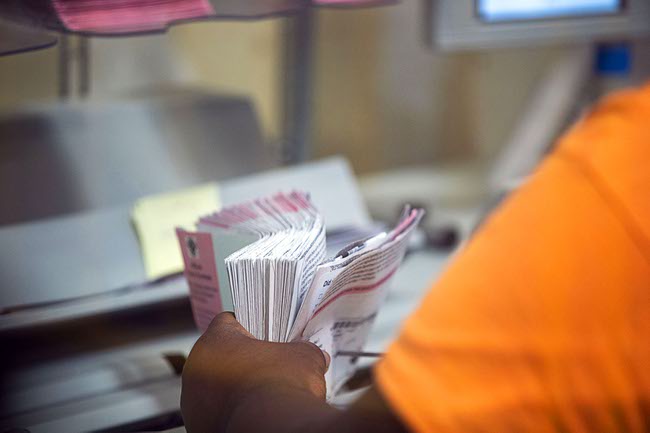
In just two weeks, Sept. 6, the first mail ballots get sent to voters.
This means voters will start voting before the first presidential debate set for Sept. 10.
In addition, some voters will be casting their ballot before Former President Donald Trump, the Republican nominee, is scheduled to be sentenced in his New York bogus “hush money case” on Sept. 18.
Early in-person voting will start as soon as Sept. 20 in some states.
Harris’ pick for vice president, Tim Walz, and Trump’s, Ohio Sen. JD Vance, have agreed to an Oct. 1 debate hosted by CBS News in New York City.
Here’s a look at why the calendar will move quickly now that the Democratic and Republican conventions are wrapped.
The first batch of ballots typically sent out are ones to military and overseas voters. Under federal law, that must happen at least 45 days before an election — which this year is Sept. 21.
AP wrote about the legal fights taking place over voting and the election
Before the first ballots are even cast, both camps are gearing up to fight over voting.
Battles over election rules have become a staple of American democracy, but they’re expected to reach new heights this year. Trump installed his own leadership team at the Republican National Committee, including a director of election integrity who helped him try to overturn Biden’s win in 2020. The RNC has filed a blizzard of lawsuits challenging voting rules and promises that more are on the way.
Democrats also are mobilizing and assembling a robust legal team. Among other things, they are objecting to GOP efforts to remove some inactive voters or noncitizens from voter rolls, arguing that legal voters will get swept up in the purges.
Republicans have particularly escalated their rhetoric over the specter of noncitizens voting, even though repeated investigations have shown it almost never happens. Some also are pushing to give local election boards the ability to refuse to certify election results.